Pharmacogenomic testing for DPYD polymorphisms with fluoropyrimidine therapies – Available at North Thames GMS
Pharmacogenomic testing for DPYD polymorphisms with fluoropyrimidine therapies – Available at North Thames GMS

Update

Pharmacogenomic testing for DPYD polymorphisms with fluoropyrimidine therapies – Available at North Thames GMS

Following the publication of the NHS England and NHS Improvement urgent clinical policy statement for pharmacogenomic testing for DPYD polymorphisms with fluoropyrimidine therapies based on recommendations issued by both the European Medicines Agency and the Medicines and Healthcare products Regulatory Agency, genomic testing is now routinely available via the NHS Genomic Medicine Service (GMS).

The MHRA urgent clinical policy statement published in October 2020 states that:

  • All patients, prior to commencing treatment with a fluoropyrimidine based therapy (5-fluorouracil, capecitabine or tegafur) should be screened for DPYD gene variants which have been associated with fluoropyrimidine-associated toxicity.
  • Within the clinical pathway, the genomic test should be ordered for eligible patients at the point of consent for fluoropyrimidine chemotherapy or earlier if appropriate.
  • Guidance for clinicians on dosing adjustments for fluoropyrimidine therapy following detection of a DPYD variant has been published by the Systemic Anti-Cancer Therapy Board to support implementation of the policy.

DPYD is now a centrally commissioned NHSE service, no invoices will be issued for NHSE patients who meet eligibility criteria.

April 16, 2026
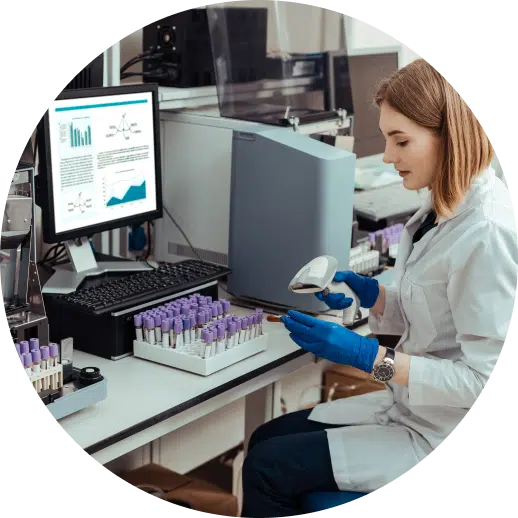
North Thames GMS implemented DPYD testing:

The NHS National Test Directory expanded DPYD panel to include c.557A>G (rs115232898), and recommended to change testing of the reporter variant c.1236G>A/HapB3DPYD (rs56038477) to the causal variant c.1129-5923C>G (rs75017182) to reduce the risk of false-positive results. Following this change in the North Thames GMS via the Biochemistry Laboratory at Royal Marsden Hospital now provide DPYD testing service for the variants shown below.

  • c.1905+ 1G>A (rs3918290) DPYD*2A
  • c.2846A>T (rs67376798)
  • c.1679T>G (rs55886062) DYPD*13
  • c.1129-5923C>G (rs75017182)
  • c.557A>G (rs115232898)


We also confirm that our DPYD report dosing comments are consistent with current UK SACT Personalised Medicine Approach for Fluoropyrimidine-based Therapies guidelines on fluoropyrimidine dosing for variant genotypes. If your trust/clinical unit have developed local guidelines which differ from these UK national guidance, these will need to be reviewed and include dosing recommendations for the new DPYD c.577A>G variant.


Referral information:

Sample type is EDTA whole blood.

Samples can be sent by post but courier is preferred.

Please use your current Biochemistry request form to request the test.

Please send samples directly using the contact details below:

Biochemistry, Pathology

East Wing, Second Floor,

The Royal Marsden,

Downs Road, Sutton,

Surrey,

SM2 5PT


Key performance indicators:

Our target turnaround time is 3 working days from sample receipt.

Results will be sent via NHS mail.


Contacts:

Clinical/Scientific advice: Dr Robyn Shea, Consultant Biochemist, Director of Blood Sciences Robyn.Shea@rmh.nhs.uk

Service Issues: Dr Mikel Valganon Petrizan, Head of Clinical Genomics Mikel.ValganonPetrizan@rmh.nhs.uk

General Enquiries:  clinicalbiochemistry.advice@rmh.nhs.uk

Results Enquiries: rmh-tr.bloodsciences@nhs.net


Please use the nhs.net address if providing patient details.

Print article

Sign up to our mailing list.

Join our mailing list to be the first to receive our updates and news!

Newsletter signup