International Clinical Trials Day: How genomics is supporting cancer trials across North Thames

International Clinical Trials Day: How genomics is supporting cancer trials across North Thames

Blog

International Clinical Trials Day: How genomics is supporting cancer trials across North Thames

International Clinical Trials Day is an opportunity to recognise the vital role that clinical research plays in improving outcomes across so many healthcare journeys and celebrate the systems that enable that research.

May 20, 2026

Across our region, the NHS North Thames Genomic Medicine Service (NT GMS) is helping to strengthen access to a wide range of clinical trials by embedding genomics into routine care, supporting multidisciplinary decision‑making and creating the conditions for research to happen earlier and more equitably.

For example, the NT GMS has established itself as a leader in collaborating with pioneering cancer clinical trial teams, forging partnerships that accelerate access to novel therapies and transformative research. Over the next 10-years we aim to build on our collaborations to drive forward the next wave of cancer clinical trials.

Genomics built into cancer pathways

A core ambition of the NHS GMS is to ensure that genomic testing is fully embedded within end‑to‑end cancer pathways, rather than sitting alongside routine care.

Through the Cancer Genomics Clinical Function, patients across the country are offered comprehensive genomic analysis and molecular profiling where appropriate, supporting more precise diagnosis and treatment decisions. Crucially, this approach is designed to align routine cancer genomic testing with eligibility for clinical trials, helping clinicians consider research options at the right point in a patient’s journey.

By making genomics part of standard pathways, trial opportunities can be identified systematically and not through chance or referral to a small number of specialist centres.

“Genomics is a powerful enabler of cancer clinical trials because it can identify patients who are most likely to respond to a new treatment,” says Mike Hubank, Scientific Lead for the North Thames Genomic Medicine Service.

“Because of advances in genomic testing, we can now identify patients for clinical trials using the same tests we use for standard treatments, meaning efficiency for the NHS, and better trials access for patients. Clinical Research has become a normal part of treatment discussions, not an exception.”
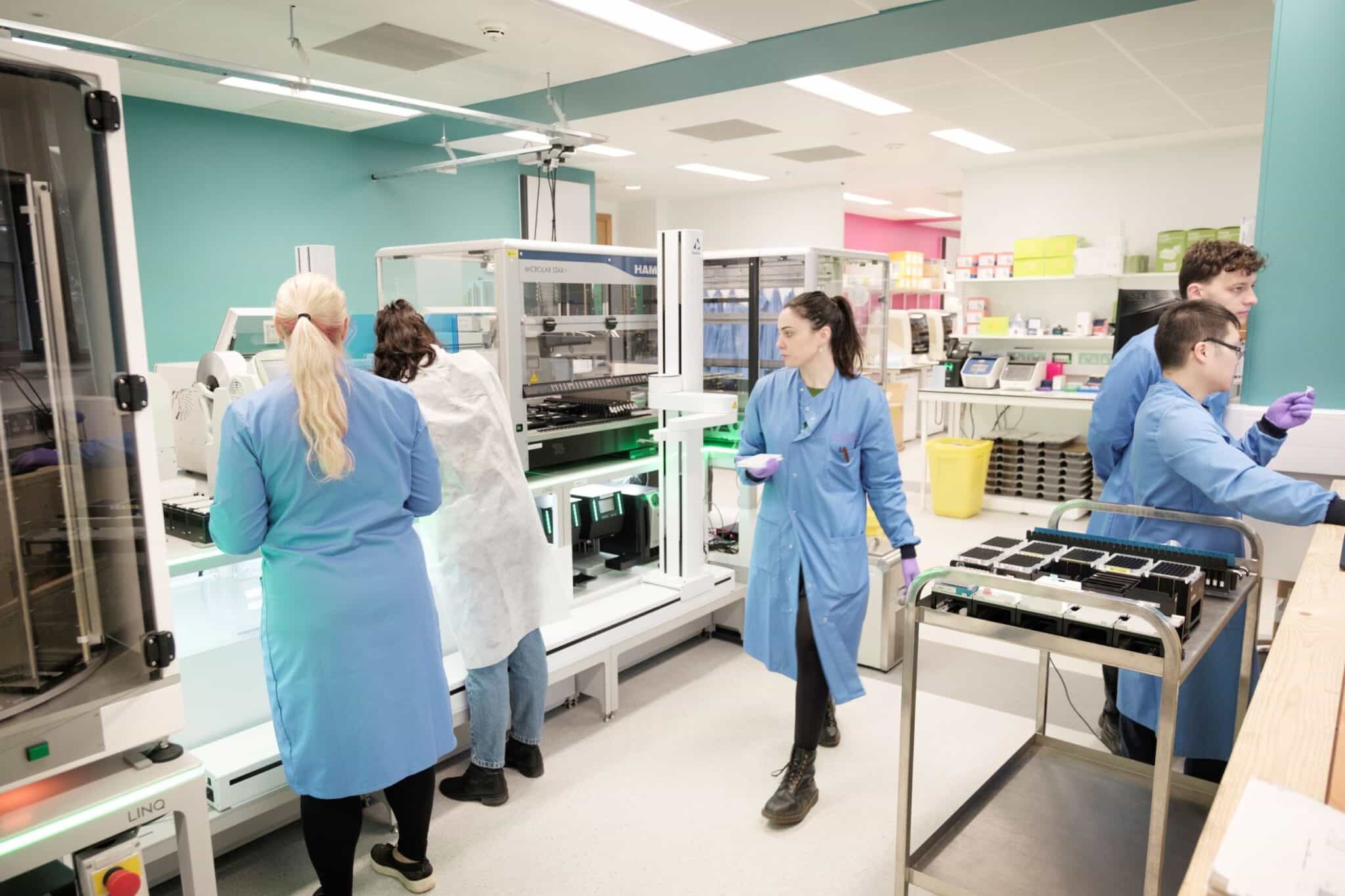
Turning genomic data into trial opportunities

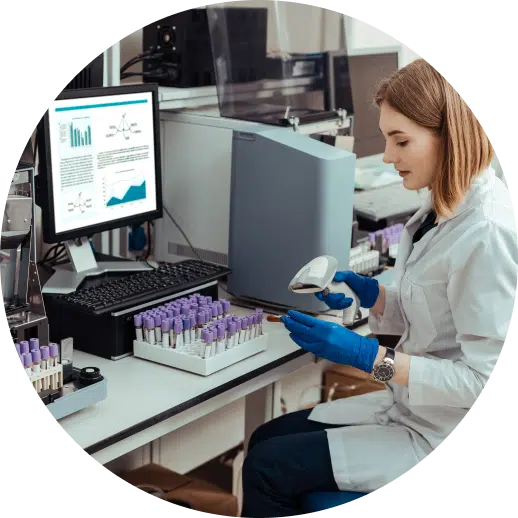
A key aspect of these pathways is being able to bring together genomic data and other clinical expertise. As a NT GMS, we are part of multiple cancer boards that act as multidisciplinary forums bring together clinicians and scientists to review genomic results, guide treatment strategies and facilitate early access to relevant clinical trials, particularly for patients with rarer tumour types or complex molecular profiles.

Always putting equity at our core

Equity is a consistent priority across the NT GMS and that means building it into every pathway from the start.

This matters for clinical trials. Without equitable access to genomic testing, specialist expertise and clear referral pathways, some patient groups are more likely than others to benefit from research participation.

The NT GMS aims to ensure that trial access is driven by clinical need, not geography.

Looking ahead

International Clinical Trials Day is a reminder that access to trials starts long before recruitment begins.

Through its cancer genomics infrastructure, multidisciplinary expertise and commitment to equity, the North Thames Genomic Medicine Service is helping to create the conditions where more patients can benefit from clinical research, earlier and more fairly.

That is how genomics can support not only better cancer care today, but the discoveries that will shape cancer care tomorrow.

Print article

Sign up to our mailing list.

Join our mailing list to be the first to receive our updates and news!

Newsletter signup